
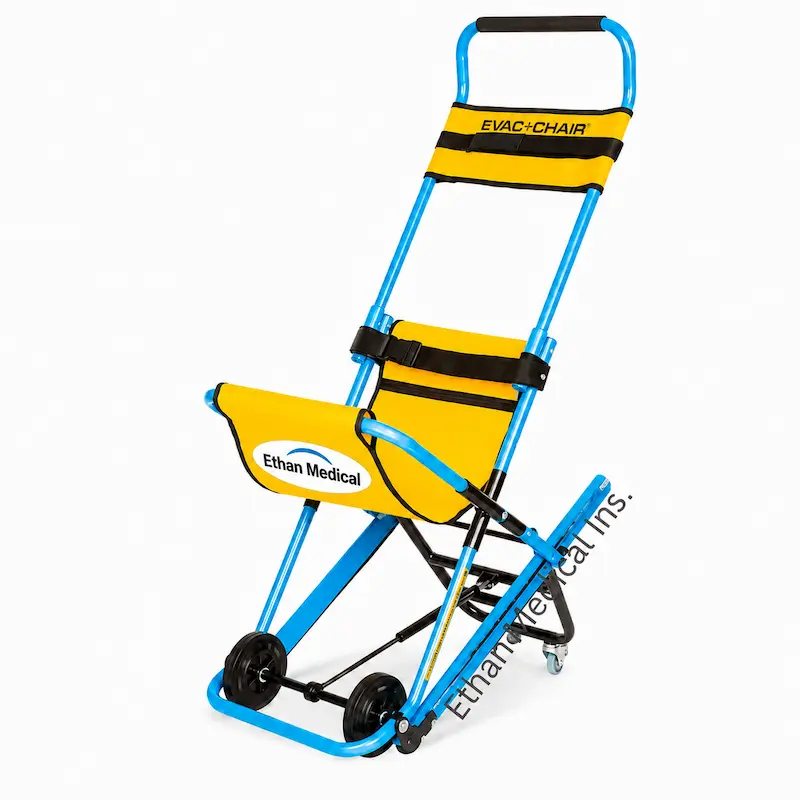
Evacuation Stair Chair (Non-Battery) | Evacuation Chair
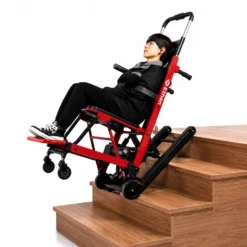
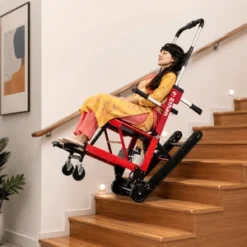
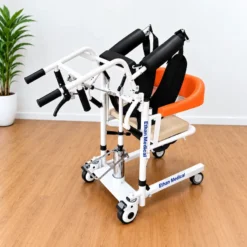
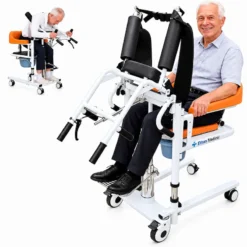
An Evacuation Stair Chair provides a practical way to assist a person on stairs when elevators or lifts cannot be used. Because this Evacuation Chair operates manually, staff can use it without electricity, charging, or a battery. Therefore, the chair can remain ready for emergency use at any time.
Moreover, the compact design allows facilities to place the chair near stairways, emergency exits, or designated safety areas. As a result, trained staff can access it quickly when normal lift service becomes unavailable. In addition, the manual operating system reduces dependence on electrical power during an emergency.
For other mobility solutions, explore our Wheelchair & Mobility Aids collection.
Application of Evacuation Stair Chair
Many facilities may need assisted stair transport during emergencies, fire drills, lift failures, or power outages. For example, an Evacuation Chair can support emergency mobility planning in:
- Hospitals, clinics, and healthcare facilities
- Schools, colleges, universities, and dormitories
- Offices and commercial buildings
- Shopping malls and multi-storey buildings
- Hotels and accommodation facilities
- Airports and public facilities
- Emergency response and safety teams
- Buildings where elevator access may become unavailable
In addition, facility managers can place the chair close to stairwells for faster access. Therefore, staff do not need to search for equipment during urgent situations.
Furthermore, emergency planning should consider people who may need mobility assistance. The ADA emergency planning guidance provides useful information about planning for people with disabilities during emergencies.
Features of Evacuation Chair
- First, fully manual operation: The chair works without electricity, charging, or batteries.
- Next, controlled stair movement: Trained staff can guide the chair carefully on suitable stairways.
- Moreover, safety belts: The belt system helps keep the seated user in a stable position.
- In addition, strong frame construction: The durable frame provides reliable structural support.
- Also, easy-grip handles: Operators can hold and control the chair more comfortably.
- Furthermore, foldable construction: Staff can fold the chair for compact storage.
- Additionally, portable design: Teams can move the chair to different emergency locations when necessary.
- Consequently, simple maintenance: The non-battery design requires less electrical maintenance.
- Finally, floor mobility: Depending on the model, built-in wheels allow easier movement on level floors.
However, users who need powered stair movement may prefer a different mobility solution. In that case, see our Stair Climbing Wheelchair.
Similarly, facilities that need patient transfer support can explore our Multifunction Patient Transfer Wheelchair.
Technical Specifications
Specifications may vary depending on the exact model. However, most Evacuation Stair Chair models generally include the following features:
- Product Type: Manual evacuation stair chair
- Power System: Non-battery / fully manual
- Primary Use: Emergency evacuation and assisted stair transport
- Safety System: Secure seating belt
- Frame: Strong and durable construction
- Seat: Supportive seating surface
- Handles: Operator control handles
- Floor Movement: Built-in wheels, depending on model
- Storage: Foldable and space-saving design
- Charging Required: No
- Battery Required: No
Therefore, the chair can remain ready even when electrical power is unavailable. Moreover, facilities do not need to manage battery charging schedules.
Emergency Preparedness and Safe Use
An Evacuation Stair Chair should form part of a complete emergency preparedness plan. However, it should not replace established evacuation procedures or professional safety training.
Before use, staff should review the manufacturer’s instructions. In addition, operators should receive proper training before using the chair on stairs. As a result, they can understand the correct handling method and safety procedures.
Furthermore, facilities should inspect the chair regularly. For example, staff should check the safety belts, handles, wheels, frame, and folding mechanism. Consequently, regular checks can help keep the chair ready for emergency use.
For broader emergency preparedness information, facilities can also review FEMA emergency planning guidance.
Finally, the Evacuation Stair Chair (Non-Battery) offers a compact and manually operated solution for assisted stair evacuation. Therefore, hospitals, schools, offices, hotels, public buildings, and other facilities can include it as part of their emergency mobility and evacuation planning.












Reviews
There are no reviews yet.