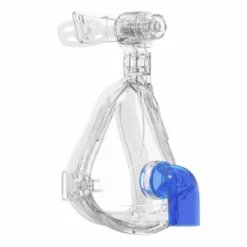
Non-Vented Mask: Reliable Respiratory Support
A non-vented mask plays a key role for patients who need breathing support from a ventilator. Unlike vented masks, it does not have built-in exhalation ports. As a result, the ventilator can fully control the airflow, making the mask ideal for hospitals, emergency rooms, and home care settings.
Why Choose a Non-Vented Mask?
NIV masks offer several important benefits. First of all, they create a tight seal around the face, which significantly reduces air leaks. Therefore, the ventilator can deliver the right air pressure to support proper breathing. Additionally, these masks work well with external exhalation valves, allowing doctors to control airflow more precisely.
Moreover, comfort is another major advantage. Most NIV masks use soft, skin-friendly materials that help prevent irritation, even during extended use. Furthermore, they come with adjustable straps and multiple size options, ensuring a personalized and secure fit for every user.
Common Uses of NIV Masks
Non-vented masks are widely used in hospitals and home care environments. Typically, patients who rely on ventilators use them in intensive care units (ICUs), after surgeries, or at home for managing chronic respiratory conditions. Besides that, they are suitable for BiPAP and CPAP machines that require an external exhalation valve.
Thanks to their design, these masks provide steady breathing support, whether the patient needs non-invasive or invasive ventilation.
How to Choose the Right Non-Vented Mask
When selecting a NIV mask, you should think about several factors, such as comfort, size, and compatibility with your ventilator. In particular, look for masks made from soft materials and designed to form a secure seal. Most importantly, always consult a healthcare provider to choose the best mask for your specific needs.