Crutches and Walkers: Essential Mobility Aids for Independence
Maintaining mobility plays a crucial role for individuals recovering from injuries or managing long-term conditions. Crutches and walkers provide vital support that enhances movement, balance, and safety. As a result, they help users regain independence and confidence in daily activities.
Understanding Crutches
Crutches assist individuals who need to keep weight off a leg, ankle, or foot. Several types exist, including underarm (axillary) crutches and forearm (Lofstrand) crutches. Underarm crutches, for instance, suit short-term injuries well by transferring weight to the upper body. In contrast, forearm crutches offer more freedom of movement and better long-term comfort for chronic conditions.
Moreover, modern crutches feature lightweight materials like aluminum or carbon fiber. Manufacturers now design them with ergonomic handles and padded grips to minimize wrist and shoulder strain during use. Consequently, users experience greater comfort and stability.
Exploring Walkers
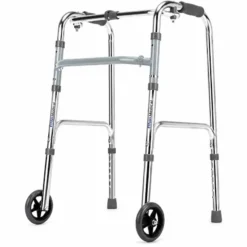
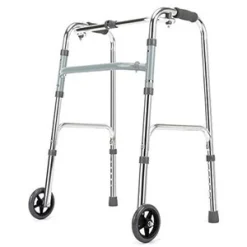
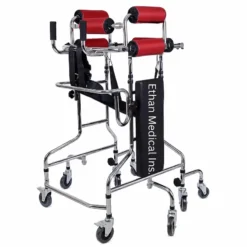
Walkers offer excellent support for individuals requiring more stability than crutches can provide. Various types are available, including standard walkers, rolling walkers (rollators), and knee walkers. Standard walkers deliver maximum balance and are often ideal for indoor use. Meanwhile, rolling walkers, equipped with wheels and hand brakes, allow smoother movement, especially outdoors.
Additionally, many walkers feature foldable frames for easy transportation and storage. Some models even include built-in seats, baskets, or trays, giving users the convenience of resting or carrying personal items effortlessly. Therefore, walkers serve as a versatile option for many mobility needs.
Choosing the Right Mobility Aid
Ultimately, choosing between crutches and walkers depends on physical condition, strength, and personal mobility goals. Crutches typically suit temporary injuries where non-weight-bearing assistance is necessary. On the other hand, walkers, offering greater balance, work well for those with long-term needs or limited upper body strength.
For the best outcome, consulting a healthcare professional ensures the right choice and proper fitting of mobility aids. With the correct support, users can enjoy a safer and faster recovery journey.