CPAP Medical Abbreviation: What It Stands For and Why It Matters for Sleep Apnea
The CPAP medical abbreviation stands for Continuous Positive Airway Pressure. This term is commonly used in sleep medicine to describe a proven treatment for obstructive sleep apnea (OSA). People with OSA often experience frequent pauses in breathing during sleep, which can seriously affect their health and quality of life.
Fortunately, CPAP therapy—short for the cpap medical abbreviation of Continuous Positive Airway Pressure—offers an effective and non-invasive solution to this problem.
How CPAP Therapy Works
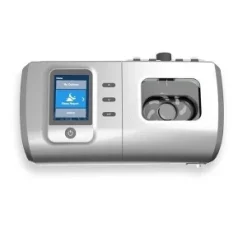
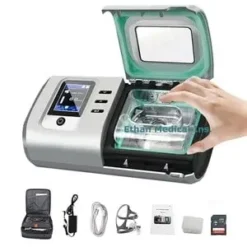
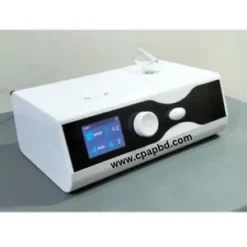
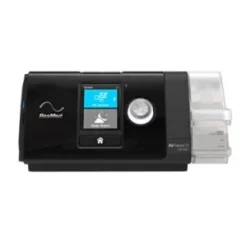
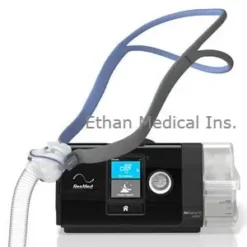
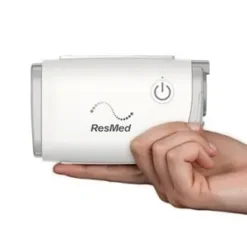
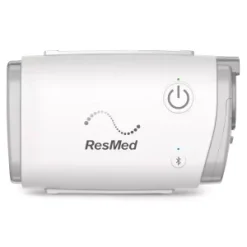
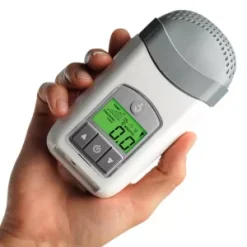
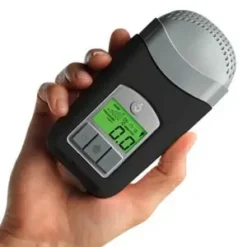
A CPAP machine uses a steady flow of pressurized air to keep your airways open throughout the night. It connects to a hose and mask that you wear while sleeping. Depending on your needs, the mask may cover just your nose or both your nose and mouth.
Unlike medications or surgical options, CPAP therapy—known by the cpap medical abbreviation for Continuous Positive Airway Pressure—acts immediately. It provides a physical way to prevent airway blockages and allows you to breathe without interruption.
In addition, most CPAP machines come with helpful features such as a humidifier, ramp-up pressure settings, and whisper-quiet motors. These features aim to enhance user comfort and encourage long-term use.
Why CPAP Offers Major Health Benefits
When used consistently, CPAP therapy—based on the cpap medical abbreviation for Continuous Positive Airway Pressure—can improve your sleep from the very first week. As a result, many users report waking up more refreshed, energized, and focused during the day.
Moreover, CPAP reduces loud snoring and lowers the risk of serious health conditions such as heart disease, high blood pressure, stroke, and type 2 diabetes. It also helps regulate oxygen levels and supports healthier breathing patterns.
Final Thoughts
In summary, the CPAP medical abbreviation represents a life-changing therapy for people struggling with sleep apnea. By choosing CPAP, you take a proactive step toward better sleep and long-term health.
If you suspect sleep apnea, talk to your doctor. Starting CPAP early can dramatically improve your well-being.