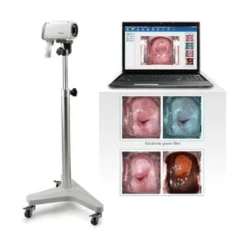
Best Colposcope for Clinics: Features, Specs & Comparison
A colposcope is an important medical device used in gynecology to closely examine the cervix, vagina, and vulva. Doctors rely on this tool to identify abnormal tissue changes early. As a result, colposcopy supports timely diagnosis and better treatment outcomes for women’s health conditions.
What Is a Colposcope?
A colposcope works like a high-powered microscope with a bright light. It allows doctors to view cervical tissue in clear detail without touching the body. During the examination, the device stays outside while the doctor observes the area through magnification. Because of this design, the procedure remains safe, accurate, and non-invasive.
Why Doctors Recommend Colposcopy
Doctors often recommend colposcopy after abnormal Pap smear or HPV test results. However, it may also help investigate unusual bleeding, pain, or long-lasting infections. By identifying cell changes early, doctors can prevent serious problems before they develop. Therefore, colposcopy plays a key role in preventive women’s healthcare.
Benefits of Using a Colposcope
Colposcopes offer many advantages in clinical settings. First, they provide clear and enlarged images, which improves diagnostic accuracy. Additionally, modern colposcopes may include digital imaging, allowing doctors to store and review results easily. Moreover, these features help doctors explain findings to patients in a simple and clear way.
What Happens During a Colposcopy Procedure?
A colposcopy usually takes 10 to 20 minutes and takes place in a clinic. First, the patient lies comfortably while the doctor positions the colposcope. Then, the doctor examines the cervix using light and magnification. Although some pressure may occur, most patients feel little discomfort. As a result, patients can return to normal activities the same day.
Choosing the Right Colposcope for Clinics
Healthcare providers should choose a colposcope that offers clear optics, strong lighting, and easy handling. In addition, adjustable magnification and stable design improve exam quality. By investing in reliable equipment, clinics can improve workflow and patient trust.
Final Thoughts
A colposcope supports early detection, accurate diagnosis, and better patient care. Because it allows doctors to see changes clearly and act quickly, it remains a vital tool in modern gynecology. Ultimately, regular screening and advanced diagnostic tools like colposcopy help protect long-term women’s health.