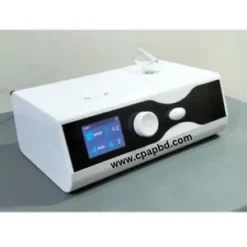
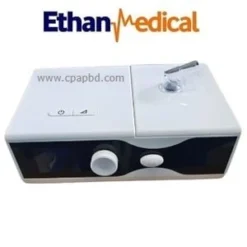
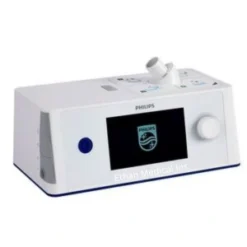
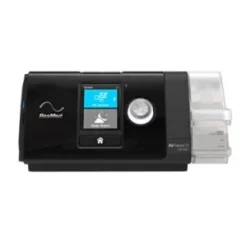
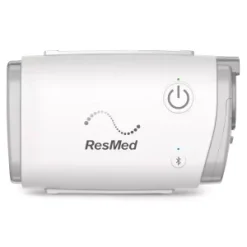
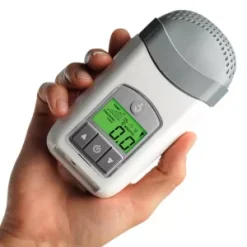
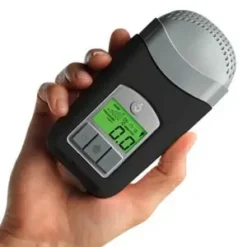
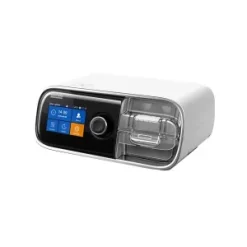
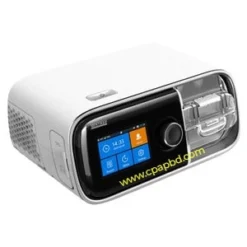
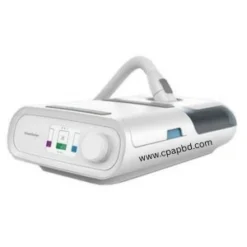
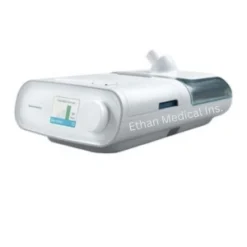
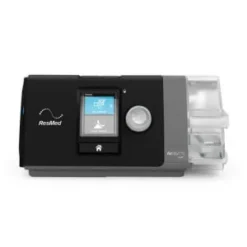
Best CPAP Machines for Sleep Apnea: Quiet, Comfortable & Reliable
Sleep apnea is a common sleep-disordered breathing condition where airflow repeatedly pauses or becomes shallow during sleep. The most frequent form is obstructive sleep apnea (OSA), which happens when throat muscles relax and temporarily block the airway. Getting the right treatment matters because untreated sleep apnea can raise the risk of serious problems such as high blood pressure, heart disease, and stroke. One of the most effective therapies is a CPAP (continuous positive airway pressure) machine, which delivers a steady stream of air through a mask to keep your airway open all night. With consistent use, CPAP can improve oxygen levels, reduce snoring and nighttime awakenings, and support better sleep quality and overall health.
Application of CPAP Machine
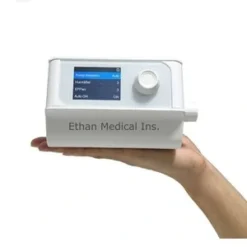
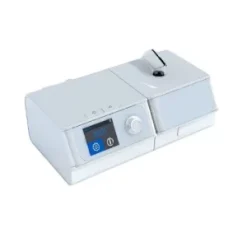
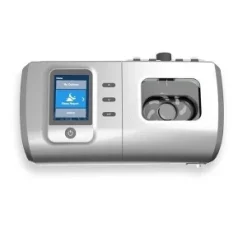
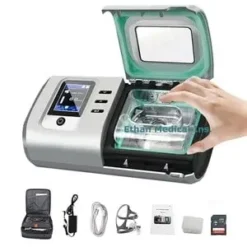
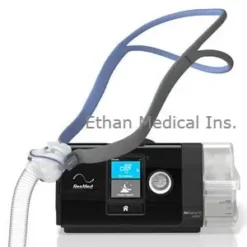
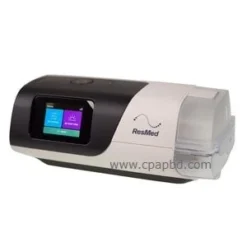
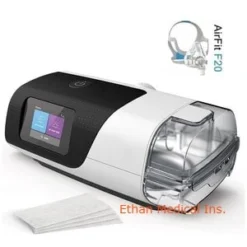
A CPAP (continuous positive airway pressure) machine delivers a gentle, steady flow of air through a mask to help keep your airway open during sleep. Doctors often recommend CPAP therapy for sleep-related breathing conditions—most commonly obstructive sleep apnea—because it can reduce snoring, improve sleep quality, and support healthier oxygen levels overnight.
Treating Sleep Disorders: Improves Quality of Life | Key Advantages
- No more snoring
- Wake up refreshed
- Less daytime fatigue
- Better concentration
- Reduction in morning headaches
CPAP machines prevent snoring by creating continuous positive air pressure that keeps your muscles from collapsing. In this way, the soft tissues of your neck, throat, and mouth do not partially block your airway, thus preventing the “snore” sound. Furthermore, CPAP machines also reduce your risk of health complications from sleep disorders.
Sleep Apnea Treatment in Bangladesh
Discover clinically proven sleep apnea treatment options in Bangladesh. Sleep better, breathe easier, and wake up with more energy. We offer CPAP machines, BiPAP devices, masks, and considered therapy accessories. You can also find diagnostic tools for accurate testing. If you have loud snoring, paused breathing, or daytime sleepiness, we can help. Our team guides you to a comfortable setup that fits your needs. Trusted by healthcare professionals across Bangladesh, our solutions are safe and reliable. They are designed for daily use and long-term comfort.
CPAP vs APAP vs BiPAP: What’s the Difference?
Not all sleep apnea machines work the same way. So, to make it easier, here’s a simple breakdown of the three most common options:
CPAP
First, CPAP delivers one fixed pressure all night long.
APAP (Auto-CPAP)
In contrast, APAP automatically adjusts the pressure based on your breathing patterns while you sleep.
BiPAP (Bi-level)
Meanwhile, BiPAP uses two pressure levels: a higher pressure when you inhale and a lower pressure when you exhale. Because of this, it’s often prescribed for specific needs or comfort situations.
Ultimately, your sleep study results and your doctor’s recommendations usually determine which option fits you best.
How to Choose the Right CPAP Machine
A good CPAP machine isn’t only about pressure—it’s also about comfort, usability, and long-term consistency. With that in mind, here are a few practical things to look for:
Consider comfort features that help you stick with therapy
To start, focus on features that make it easier to use your machine every night, such as:
- Ramp mode: begins with lower pressure and gradually increases
- Heated humidifier: helps reduce dry mouth and nasal irritation
- Heated tubing (optional): helps prevent condensation (“rainout”)
- Quiet motor: especially helpful for light sleepers
- Exhalation relief: can make breathing feel more natural
Also check data tracking and app support
Additionally, many modern CPAP devices track usage and mask seal data. As a result, you (and your clinician) can spot issues like air leaks or inconsistent use and make adjustments that improve comfort.
Finally, think about power and portability
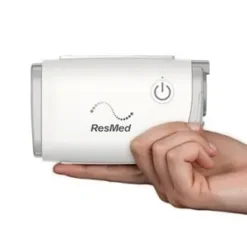
If you travel often, you may prefer a lighter setup or a travel-friendly option. However, it’s still important to make sure the machine meets your therapy needs and matches what your clinician prescribed.
CPAP machine Mask Types
When it comes to CPAP comfort, the mask is often the biggest make-or-break factor. After all, even the best machine won’t help much if your mask leaks, pinches, or just feels “off.”
Nasal Pillow Mask
To start, nasal pillows are small and lightweight, and they sit right at the nostrils. Because they feel less “bulky,” they’re often a good choice if you get claustrophobic easily.
Nasal Mask
Next, a nasal mask covers your nose and tends to offer a solid middle ground. In other words, it often balances comfort with a more stable seal than pillows for some sleepers.
Full-Face Mask
Finally, a full-face mask covers both your nose and mouth. As a result, it’s commonly recommended if you breathe through your mouth while sleeping (or if nasal congestion is a frequent issue).
Pro tip: More importantly than mask style, mask fit matters most. So, if you’re seeing leaks, waking up with marks, or dealing with dryness, you might not need a totally different mask—rather, you may simply need a different size or a small strap adjustment.
CPAP machine Setup Tips for First-Time Users
Starting CPAP therapy can feel weird at first—but with a few tweaks, most people settle in faster than they expect.
- Practice while awake: First, wear the mask for 10–15 minutes while reading or relaxing. That way, your brain gets used to the feeling without the pressure of trying to fall asleep.
- Use ramp mode: Next, turn on ramp mode so you can drift off before full pressure kicks in.
- Tackle dryness early: Also, add or increase humidification if your nose or throat feels dry.
- Re-check the mask seal: Meanwhile, tiny strap changes can stop leaks without over-tightening.
- Stay consistent: Finally, using your CPAP every night builds comfort and routine much faster than using it “only sometimes.”
CPAP machine Cleaning and Maintenance
Cleaning your CPAP equipment isn’t just about hygiene—equally important, it helps comfort and performance stay consistent.
Daily: Quick Clean
- Wash the mask cushion with mild soap and warm water
- Then let it air dry completely
Weekly: Deep Clean
- Clean the hose/tubing in warm soapy water and rinse thoroughly
- Also clean the humidifier water chamber (if you use one)
- In addition, replace water daily in the humidifier and use clean water as advised by your provider/device instructions
Replace Filters on Schedule
Filters trap dust and allergens. Because of that, replacing them as your manufacturer recommends helps keep airflow clean and steady.
Common CPAP Problems and Easy Fixes
“My Mask Leaks”
- First, re-seat the mask while the machine is running
- Next, try a different cushion size
- Also, avoid over-tightening—since it can actually cause more leaks
“I Feel Dry or Stuffy”
- Increase your humidifier level
- If you get condensation, consider heated tubing
- Finally, check for mouth breathing (a chin strap or full-face mask may help)
“The Pressure Feels Too Strong”
- Use ramp mode to ease into it
- Then ask your clinician to review comfort settings (and don’t change prescribed pressures without guidance)
“I Keep Taking It Off in My Sleep”
- Practice wearing the mask before bed
- Make sure it’s comfortable and not leaking
- Also track patterns: leaks + dryness often lead to unconscious removal
CPAP Machine FAQs
What does a CPAP machine do?
A CPAP machine provides continuous air pressure through a mask to help keep the airway open during sleep. As a result, it reduces breathing interruptions from obstructive sleep apnea.
How long does it take to get used to CPAP therapy?
Many people adjust within a few days to a few weeks. In general, better mask fit, the right humidification, and consistent nightly use can speed up comfort.
Can a CPAP machine stop snoring?
If snoring is caused by airway collapse from sleep apnea, CPAP therapy often reduces or eliminates it—especially when the mask fits well and pressure settings are correct.
Do I need a humidifier with my CPAP machine?
Not everyone does. However, many users find a heated humidifier reduces dryness and irritation, which can make CPAP therapy much easier to stick with.
What are the main treatment options for sleep apnea?
Sleep Apnea Treatment often includes CPAP therapy, lifestyle changes (like weight management and sleep position), oral appliances (mouthguards), and in some cases surgery. But even after surgery, it is often seen that returns to its previous state. Therefore, CPAP therapy is the best solution for sleep apnea treatment.